Smart Farming: Transforming Agriculture with AI Technology
Hello I'm Mellisa Berra, I'm Senior Web developer at Glasier Inc. and part-time writer
Glasier Inc. stands out as your premier choice for custom software development, excelling in user-friendly web apps.
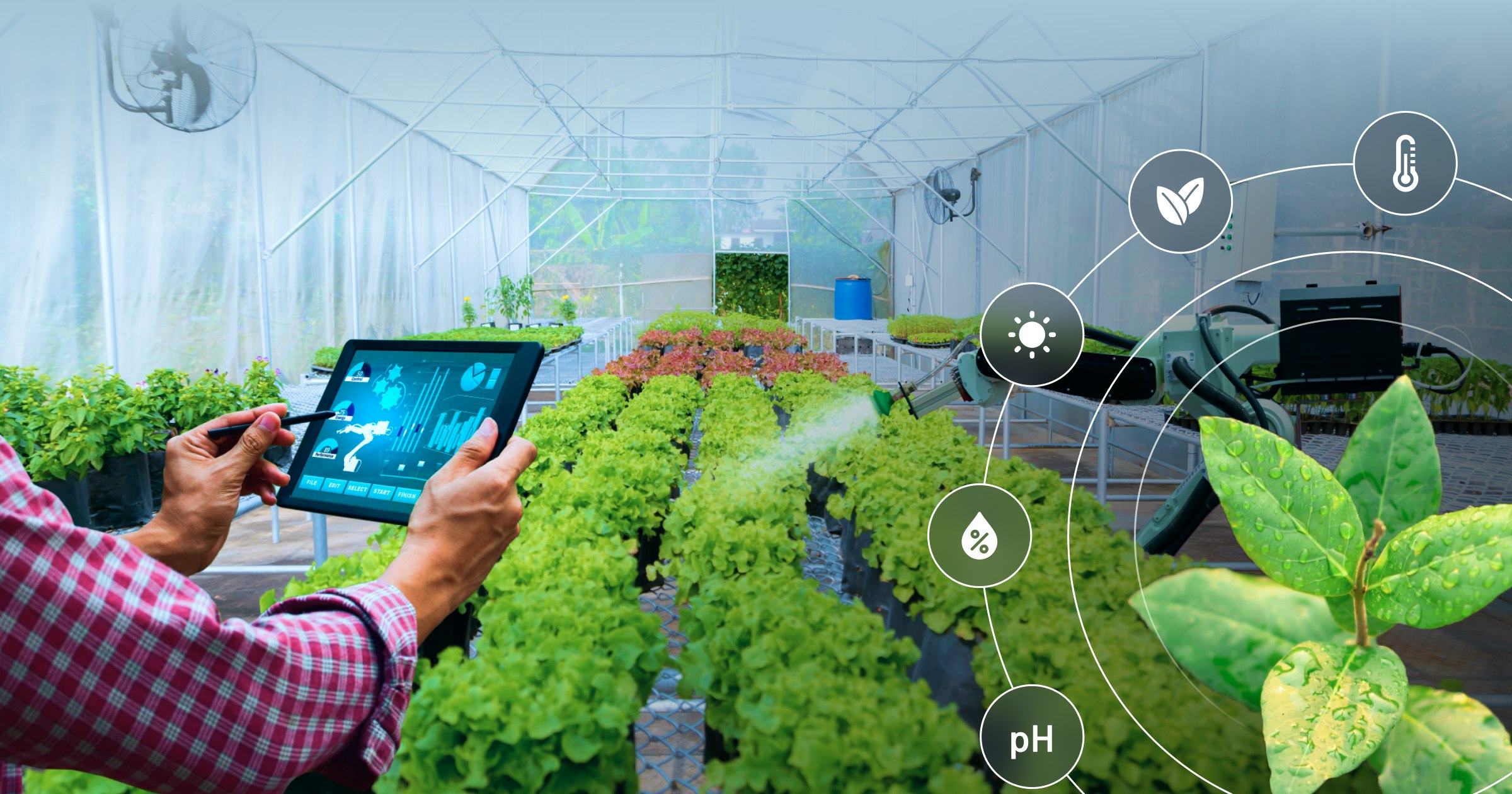
Agriculture has long been the backbone of human survival. With the ever-growing population around the globe, farmers and agricultural businesses have the pressure to grow more food with minimal wastage. Conventional agriculture methods alone cannot fulfill the ever-increasing needs. That is where AI technology comes into play and presents a new dimension of being data-driven, efficient, and intelligent. Today, intelligent farming is not something in the future; it is a reality to address practical issues in farming.
One of the main driving forces behind this revolution is GenAI development services. Using the power of artificial intelligence, these services enable farmers to track crops, forecast weather, automate equipment, and make more intelligent choices, all with less waste and more productivity.
In this blog, we will be discussing how AI-powered smart farming is transforming the way we produce food, utilize resources, and feed humanity.
What Is Smart Farming?
Smart Farming is the application of cutting-edge technologies to enhance farm operations. It consists of technologies such as artificial intelligence (AI), the Internet of Things (IoT), sensors, drones, and GPS systems. They gather and process data to enable farmers to make improved choices.
With AI, farmers can:
Analyze soil health
Monitor crop growth
Predict weather patterns
Automate irrigation and fertilization
Detect pests and diseases early
Use machinery more efficiently
Such farming is more accurate, effective, and sustainable. It assists farmers in saving time, lowering costs, and raising yields.
Why Agriculture Needs a Smart Upgrade
Agriculture has always depended on experience, observation, and toil. Although these remain crucial, the challenges today are larger:
Climate change affects rainfall, temperature, and growing seasons.
Water resources are limited and must be used wisely.
Fertilizer and pesticide overuse harms the environment and human health.
Market demands require consistent quality and fast delivery.
Labor shortages make manual work more difficult.
AI technology addresses these issues by converting data into meaningful actions. It assists farmers in making intelligent decisions without trial-and-error errors. Not only is this productivity-enhancing but also planet-friendly.
How AI Is Employed in Smart Farming
Let's delve deeper into the key areas in which AI is transforming farming processes:
Monitoring of Soil and Crops
AI platforms employ sensors inserted into the ground to monitor moisture, nutrients, and temperature. These sensors feed real-time data to software, which in turn provides farmers with information regarding the state of the soil.
Based on this information, farmers can:
Decide when to plant
Choose the right crops
Apply fertilizers more effectively
Avoid overwatering or underwatering
The process enhances soil health and crop yield.
Weather Forecasting and Planning
Weather is among the largest determinants in agriculture. AI assists by evaluating historical and existing weather patterns to forecast future weather. This assists farmers:
Plan planting and harvesting schedules
Protect crops from extreme weather events
Avoid crop damage due to storms or droughts
Improved weather forecasting decreases crop loss and enhances overall efficiency.
Pest and Disease Detection
AI-equipped cameras and drones can monitor crops and pick up early evidence of pests or diseases. They employ image recognition and machine learning to detect problems quicker than the human eye.
When a problem is detected, the system can alert the farmer and recommend solutions. This enables:
Early treatment
Less use of harmful chemicals
Healthier crops
Faster action translates to less damage and better-quality crops.
Precision Irrigation and Fertilization
AI assists in automating watering and fertilizer application. Depending on soil information and weather forecasts, the system determines when and how much water or nutrients are required.
This type of precision farming conserves resources and saves costs. It also makes sure that crops receive just what they require no excess, no shortage.
Automated Machinery
Intelligent tractors and harvesters with AI can work with minimal or no human intervention. They move along predetermined routes, change speeds, and perform activities such as planting, spraying, or harvesting with great precision.
This reduces the labor required for farming and increases productivity. Farmers can cover vast expanses of land with fewer employees and less time.
Yield Prediction
AI can predict how much a farmer is likely to harvest under given circumstances. By examining plant vitality, soil conditions, and weather reports, the system provides a precise output estimate.
This assists in:
Planning storage
Managing supply chains
Pricing products
Reducing waste
Improved forecasting results in optimal business planning.
Real-World Examples of Smart Farming
Let's see how actual farms and businesses are leveraging AI to enhance farming.
Case Study 1: John Deere
John Deere, a popular farm equipment firm, has integrated AI into its tractors and harvesters. The equipment can drive on its own, detect weeds, and regulate spraying depending on plant health.
Farmers who operate the equipment save fuel, lower the use of chemicals and enhance crop quality.
Case Study 2: IBM Watson Decision Platform for Agriculture
IBM has created a smart farming platform based on AI that gives insights about weather, soil, and crops. Farmers get updates and suggestions through a mobile app through which they are able to make real-time decisions.
The platform has assisted farmers in India in raising crop yields and conserving water.
Case Study 3: Plantix App
Plantix is a smartphone application based on AI, which assists farmers in diagnosing plant diseases. Taking a photo of an affected plant, the application diagnoses the issue and proposes treatment. The application is translated into several languages and is in great demand in developing nations.
The application provides instant assistance to farmers and assists them in taking timely action.
Advantages of Smart Farming with AI
Following are some of the major advantages of adopting AI in farming:
Increased Yields
AI enables the tracking and optimization of every aspect of farming. This means healthier crops and improved yields.
Reduction in Costs
Automated solutions minimize labor demands and reduce misuse of water, fertilizer, and pesticides.
Improved Management of Resources
AI ensures the effective use of resources such as energy and water. This is improved for the ecosystem and farmers' finances.
Early Identification of Problems
AI identifies problems before they turn into large-scale issues, minimizing crop loss and preventing the overuse of chemicals.
Better Decision-Making
Farmers get access to real-time information and advice. This makes them make more intelligent decisions and achieve better results.
Challenges in Implementing AI in Agriculture
Though the advantages are evident, there still exist some challenges:
High Initial Investment
Purchasing AI-equipped tools and machines can be a costly affair for small farmers.
Internet and Power Needs
Smart systems tend to require good internet and stable electricity, which are not always present in rural settings.
No Training
Farmers might not know how to use digital tools and require assistance to learn.
Data Privacy
As farms provide more data to companies, privacy and ownership of the data become issues.
Future of AI in Farming
The future of smart agriculture holds much promise. With the decreasing price and increasing availability of technology, even small farmers will gain from AI.
We can look forward to:
More mobile apps for farmers
Drones doing regular crop checks
AI-powered robots planting and harvesting
Blockchain for food traceability
AI marketplaces for buying and selling farm products
Governments and companies are investing in agri-AI, so more assistance and improved tools are coming your way.
Also Read, AI in Agriculture - The Future of Farming
Final Thought
AI-powered smart farming is not a fad it's a long-term solution to agriculture's biggest issues. It makes us grow more food, conserve more resources, and care for the planet more. With the help of tech providers and ongoing innovation, farmers everywhere can refine their methods and create a more secure future.
To accomplish this agriculture digital transformation, businesses need to prioritize solid web application design services that enable straightforward, accessible interfaces for farmers globally.
If you're looking to build a smart farming solution or need expert advice on implementing AI in agriculture, contact us today we’re here to help you innovate.